avoiding pitfalls in choosing organic toddler food essentials
Choosing the right organic food essentials for your toddler can be a daunting task, especially with the myriad of options available in today's market. As parents, it's important to ensure that the foods we provide are not only nutritious but also safe and enjoyable for our little ones. Here, we highlight common pitfalls to avoid when selecting organic toddler food essentials, helping you make informed choices for your child's diet.
Overlooking Food Labels
One of the biggest mistakes parents make is not thoroughly reading food labels. Organic does not always mean healthy. For instance, many organic baby food pouches are high in sugars or additives. Always check for ingredients that are simple and minimal; look for organic fruit purees without added sugars or preservatives. This is equally relevant when choosing organic toddler snacks.
Neglecting Variety in Diet
Another common oversight is providing a limited range of foods. While organic porridge oats and organic nut butter are excellent sources of nutrition, relying solely on a few items can lead to nutrient deficiencies. Aim for a balance of different food groups by incorporating organic dried fruits, organic seeds, and various organic breakfast foods. This variety ensures your toddler receives a comprehensive range of vitamins and minerals essential for growth.
People Also Look For:
- O'doe Baby Weaning Set – 15 Pcs Silicone Baby Feeding Set with Suction Plate, Bowl, Bib, Sippy Cup, Fruit Feeder, Freezer T...
- Cotton Double Drawstring Muslin Bag. 100% Organic Cotton. Pack of 100 (6 x 10 Inches)
- YASHE Food Storage Containers - 24 Pieces (12 Containers & 12 Lids) Plastic Food Containers with Lids, Airtight Pantry & Kitchen C...
- FOOGO Green 150pcs Disposable Wooden Cutlery Set, FSC® Certified, 50 x Forks 50 x Spoons 50 x Knives, 16cm, Biodegradable, Eco-...
- Easter cookie cutter set, biscuit cutter, made of organic plastic, food-safe, Easter cookie cutters, incl. 2 recipes, made in Germ...
Choosing the Wrong Feeding Tools
The tools you use to feed your toddler can significantly impact their eating experience. Many parents overlook the importance of selecting appropriate utensils. Baby led weaning spoons should be easy for little hands to grip. Silicone baby spoons are a great choice as they are gentle on gums, while bamboo baby spoons are eco-friendly and safe. Pair these with a weaning bowl and spoon set that is designed to minimise mess, making meal times enjoyable for both of you.
Ignoring Portion Sizes
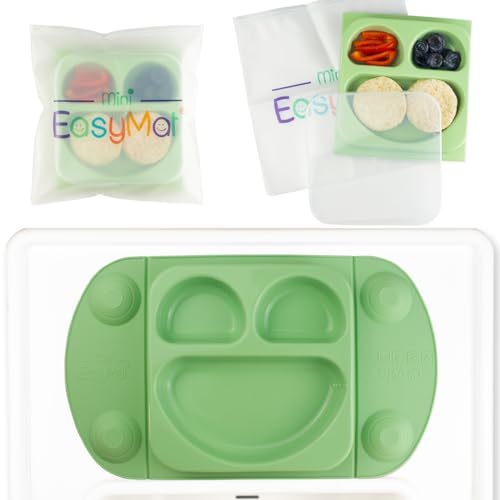
Serving sizes can be tricky with toddlers. Providing too much can overwhelm them, leading to waste. Instead, opt for toddler plates and bowls that have compartments to control portions. Start with small amounts of organic foods and gradually increase as your toddler shows interest. This approach not only avoids waste but also encourages self-regulation in eating habits.
Not Considering Allergens
Food allergies can be a concern when introducing new foods. Always introduce one new organic food item at a time and observe for any reactions. Organic herbal tea is a great way to introduce flavours, but ensure that you choose caffeine-free, suitable blends for toddlers. It's essential to keep an eye on common allergens such as nuts, eggs, and dairy when selecting organic products.
Forgetting About Storage
Proper storage of organic foods is vital to maintain their freshness and nutritional value. Many parents fail to invest in quality storage solutions. Glass food storage jars are perfect for keeping organic snacks and pantry staples like organic seeds and dried fruits. These containers preserve the quality of food and are safer than plastic alternatives, which can leach chemicals.
Neglecting Non Toxic Kitchen Utensils
Lastly, ensure that the utensils and cookware you use in the kitchen are non toxic. Wooden spoons and bamboo kitchen utensils are excellent choices as they are natural and free from harmful chemicals. Avoid plastic utensils that may contain BPA and other harmful substances. This small change can make a significant difference in your child's overall health.